

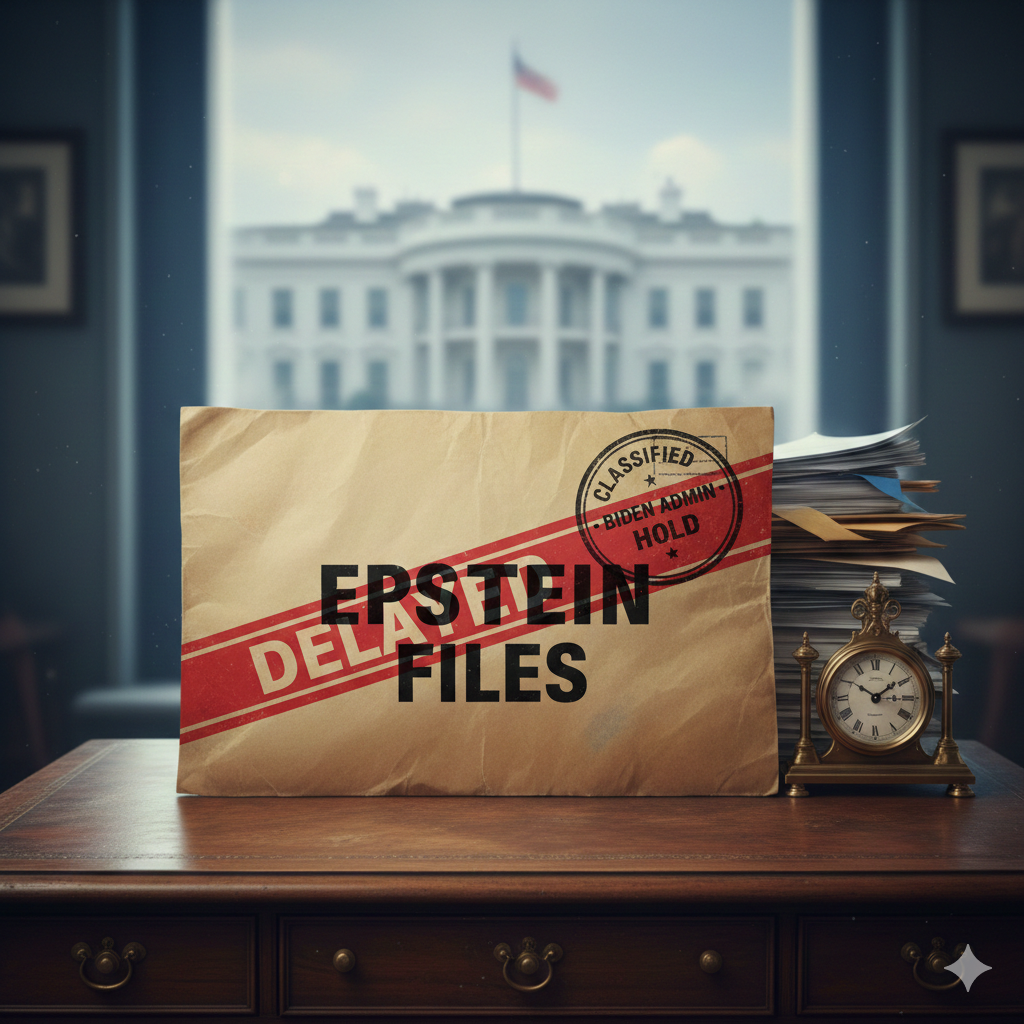
The short answer is this: the Biden administration did not release the full Epstein files because many of those records are not controlled by the White House, are tied to ongoing legal protections, or contain sensitive information that courts have ordered to remain sealed. Despite public pressure, releasing everything at once is not legally or procedurally simple, and in some cases, it is not allowed under US law.
That said, parts of the Epstein-related records have been released over time through court orders, civil lawsuits, and Freedom of Information Act requests. The frustration many people feel comes from the gap between what has been released and what they believe still exists behind closed doors.
This article explains what the Epstein files are, who controls them, what has already been released, and the real reasons the Biden administration has not made a full disclosure.
What Are the Epstein Files?
The Epstein files refer to a broad collection of documents connected to Jeffrey Epstein, his criminal investigations, and his network of associates.
These files are not a single folder or database. They include records spread across multiple institutions, such as:
- Court filings from civil and criminal cases
- FBI and Department of Justice investigative records
- Flight logs and travel records
- Depositions and sworn testimony
- Emails, contact lists, and financial records seized during investigations
- Sealed exhibits related to Epstein Island and other properties
Because of this, there is no single authority that can simply decide to release all Epstein files at once.
Why People Care About the Epstein Files
Public interest is driven by several unanswered questions:
- Who enabled or protected Epstein for decades
- Which powerful individuals had direct contact with him
- What happened on Epstein Island
- Why earlier investigations failed to stop his crimes
For many people, the Epstein files represent accountability, not curiosity.
Have the Epstein Files Been Released Already?
Yes, some Epstein files have been released, but not all.
What Has Been Released So Far
Over the years, several major disclosures have happened:
- Epstein’s 2008 plea deal records
- Court documents from the Ghislaine Maxwell trial
- Portions of Epstein’s flight logs
- Depositions from civil cases involving Epstein’s victims
- Recently unsealed documents from a defamation lawsuit connected to Epstein’s associates
These releases often came through court orders, not executive action.
What Has Not Been Released
Still sealed or restricted are:
- Certain FBI investigative files
- Grand jury materials
- Names mentioned without charges or corroboration
- Evidence tied to victims who requested privacy
- Intelligence-related documents, if any exist
This is where the confusion often starts. Many people assume the president can order everything released. That is not how the system works.
Does the President Control the Epstein Files?
No, not directly.
Separation of Powers Matters
In the United States, records related to criminal cases are controlled by:
- Federal courts
- The Department of Justice
- Independent agencies like the FBI
The White House does not have the legal authority to override court sealing orders or grand jury secrecy rules.
Even if the president wanted to release everything, doing so would require court approval in many cases.
Grand Jury Secrecy Laws
One of the biggest barriers is grand jury secrecy. US law strictly protects:
- Witness testimony
- Evidence presented to grand juries
- Internal deliberations
These protections do not expire just because public interest is high.
Why Didn’t the Biden Administration Push Harder?
This is where opinion and interpretation come in.
Legal Risk and Due Process
Releasing unverified names or accusations could:
- Violate due process rights
- Lead to defamation lawsuits
- Harm ongoing investigations
Any administration must weigh transparency against legal consequences.
No Active Criminal Case Against Epstein
Jeffrey Epstein died in 2019. Since there is no active criminal case against him, courts are often more cautious about unsealing records that could harm third parties without leading to prosecution.
Institutional Caution
The Department of Justice tends to act slowly and conservatively. This approach did not begin under Biden. Similar caution existed under previous administrations as well.
Is This Unique to the Biden Administration?
Not really.
What Happened Under Previous Presidents
- Epstein’s most controversial plea deal happened in 2008
- Epstein continued his activities across multiple administrations
- Major investigations stalled long before Biden took office
Blaming one administration ignores decades of institutional failure.
Why the Focus Is on Biden
The Biden administration inherited the Epstein aftermath at a time when public distrust is high and social media amplifies demands for transparency. That makes inaction more visible.
What About Epstein Island?
Epstein Island, also known as Little Saint James, is central to public interest.
What Is Known
- Epstein owned the island and used it as a private retreat
- Victims testified that abuse occurred there
- Travel records confirm frequent visitors
What Is Not Public
- Complete visitor logs for the island
- Internal communications tied to island operations
- Any intelligence or surveillance records
If such records exist, they are likely held by law enforcement or private entities, not the White House.
Are There Political Reasons for Non-Release?
Many people suspect political protection.
Is There Evidence?
As of now, there is no verified evidence that the Biden administration actively suppressed Epstein files to protect specific individuals.
However, it is also true that:
- Powerful names appear across Epstein-related documents
- Political, business, and media elites are involved
- Institutions often protect themselves first
This fuels skepticism, even when legal explanations exist.
Why Transparency Still Matters
Even if there is no conspiracy, limited transparency damages public trust. Clear communication about what can and cannot be released would reduce speculation.
Could More Epstein Files Be Released in the Future?
Yes.
How Additional Releases Usually Happen
Most Epstein files are released through:
- Civil lawsuits by victims
- Judges ordering documents unsealed
- FOIA requests that survive legal challenges
This process is slow but ongoing.
What Would Trigger More Disclosure
- New court rulings
- Stronger public legal pressure
- Successful appeals to unseal records
- Congressional action, though this is rare
A single administration cannot force this without legal backing.
What Should Readers Understand Clearly?
Here is the most important takeaway.
The Epstein files are not a single secret archive controlled by the president. They are scattered across courts, agencies, and private records, many protected by law. While some Epstein files have been released, others remain sealed due to legal, privacy, and procedural reasons, not simply political choice.
That does not mean public frustration is wrong. It means the path to transparency is slower and more complex than most people expect.
Frequently Asked Questions
What are the Epstein files in simple terms?
The Epstein files are documents related to Jeffrey Epstein’s crimes, investigations, associates, and properties, including Epstein Island. They exist across courts, law enforcement, and civil lawsuits.
Were the Epstein files released under Biden?
Some Epstein files were released during Biden’s presidency, but mainly through court orders, not direct action by the administration.
Can the president release all Epstein files?
No. Many records are sealed by courts or protected by grand jury secrecy laws, which the president cannot override.
Are names being hidden in the Epstein files?
Some names are redacted to protect privacy, avoid defamation, or comply with court rules. Being named in a file does not automatically mean guilt.
Why is Epstein Island still such a mystery?
Because many records tied to Epstein Island involve private travel, sealed testimony, or victim-protected evidence that has not been fully unsealed.
Will the full Epstein files ever be released?
Some may be released over time through legal processes. A complete public release of everything is unlikely unless laws or court orders change.
If you want real accountability, understanding how the system works is just as important as demanding transparency.
