

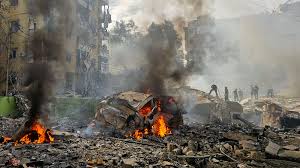
Tensions in the Middle East have entered a dangerous new phase after coordinated military strikes by the United States and Israel targeted Iranian facilities. What began as strategic pressure has now escalated into direct confrontation, raising fears of a broader regional war with serious global consequences.
Here is a clear, structured breakdown of what happened, why it matters, and what could come next.
What Happened?
In a major escalation, U.S. and Israeli forces carried out airstrikes on key Iranian military infrastructure. According to international reports, the targets included missile storage sites, drone facilities, and command centers believed to be linked to regional proxy operations.
Shortly after the strikes, Iran responded with missile launches and drone deployments aimed at Israeli defense systems and U.S. military assets in the region. Air defense systems were activated across multiple areas, and several projectiles were intercepted.
This marks one of the most direct confrontations between these powers in recent years.
Why the Strikes Took Place
The escalation follows months of rising tensions involving:
• Iranian-backed militia activity in neighboring countries
• Cross-border rocket fire and drone incidents
• Maritime security concerns in the Gulf
• Intelligence reports of expanding weapons capabilities
Officials from Washington and Jerusalem have framed the strikes as defensive and preventative, targeting infrastructure believed to pose imminent threats.
Iran, however, has described the attacks as acts of aggression and vowed a proportional response.
Immediate Regional Impact
The strikes triggered immediate security responses across the Middle East:
• Airspace restrictions and flight rerouting
• Increased naval patrols in the Persian Gulf
• Heightened missile defense readiness in Israel
• Emergency alerts in several urban centers
Neighboring countries have placed military forces on alert while urging restraint to prevent further escalation.
Global Economic Effects
Financial markets reacted quickly to the news.
Oil prices surged amid fears of supply disruptions, particularly around the Strait of Hormuz, a critical global energy transit route. Even the threat of instability in this corridor can affect global energy pricing.
For the USA, UK, and Europe, potential consequences include:
• Higher fuel prices
• Volatility in stock markets
• Increased shipping and insurance costs
• Pressure on already sensitive energy supply chains
Energy analysts are closely monitoring whether the conflict spreads or remains contained.
International Response
Global leaders have called for de-escalation.
European governments, including the UK, Germany, and France, have emphasized the need for immediate diplomatic engagement. The United Nations has urged all sides to avoid actions that could ignite a broader war.
Meanwhile, NATO officials are reportedly assessing regional security implications, though no formal alliance action has been announced.
Risk of Broader War
Security experts warn that the situation carries significant risks.
Potential escalation scenarios include:
• Expansion into neighboring countries
• Increased involvement of regional armed groups
• Cyberattacks targeting infrastructure
• Maritime clashes in strategic waterways
While none of these outcomes are guaranteed, the current trajectory remains highly sensitive.
What Happens Next?
Three primary paths are currently being discussed by analysts:
- Controlled Retaliation Cycle
Both sides exchange limited strikes before diplomatic intervention stabilizes the situation. - Diplomatic De-Escalation
Backchannel negotiations reduce tensions within weeks. - Wider Regional Conflict
Escalation spreads, drawing in additional actors and increasing global instability.
Much will depend on political calculations in Washington, Jerusalem, and Tehran over the coming days.
Why This Matters Beyond the Region
This conflict is not isolated.
For Western audiences in the United States, United Kingdom, and across Europe, the consequences extend to:
• Energy affordability
• Defense strategy
• Financial market stability
• Global supply chains
• International diplomatic alliances
Even limited regional instability can have ripple effects across global economies.
Final Analysis
The U.S. and Israel strikes on Iran represent a significant escalation in an already volatile region. While the current exchanges appear targeted and strategic, the margin for miscalculation is narrow.
Diplomatic efforts are underway, but tensions remain high. The coming days will likely determine whether this confrontation stabilizes or deepens into a broader regional conflict with lasting global impact.
