

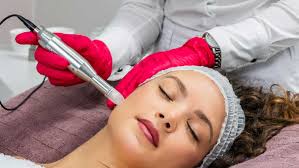
Microneedling has moved from being a “specialist add-on” to one of the most requested advanced treatments in modern beauty. Clients are no longer just asking for glowing skin — they are asking for texture improvement, scar reduction, smoother pores, and long-term skin quality changes. With that shift, microneedling is now seen as a treatment that sits between traditional facials and more clinical aesthetics.
For practitioners, this creates an opportunity, but also a responsibility. The difference between safe, results-driven microneedling and inconsistent or risky practice comes down to one thing: professional training.
Why Microneedling Has Become a Core Skill in Modern Beauty
Microneedling works by creating controlled micro-channels in the skin using fine needles. This triggers the body’s natural repair response, stimulating collagen and elastin production. Over time, this process can improve the overall structure of the skin, not just the surface.
What makes microneedling particularly appealing is that it is versatile. It can be used to support concerns such as:
- Uneven texture and rough skin
- Post-acne scarring
- Fine lines and early ageing
- Enlarged pores
- Mild pigmentation and dullness
- General skin firmness and tone
Unlike many short-term “glow” treatments, microneedling is valued because results tend to build gradually and improve over multiple sessions.
The Professional Difference: Technique Matters More Than Tools
A common misconception is that microneedling success is mostly about buying the right device. In reality, results depend far more on how the practitioner uses the device.
Key factors that separate professional-level microneedling from poor practice include:
Needle depth selection
Different areas of the face and different skin concerns require different depths. Too shallow and the client may see little improvement. Too deep and the treatment may cause unnecessary trauma, extended downtime, or complications.
Skin assessment
Microneedling is not a one-size-fits-all procedure. Skin type, sensitivity, inflammation levels, barrier health, and contraindications all determine whether a client is suitable.
Hygiene and infection control
Microneedling involves skin penetration. That makes sterile practice non-negotiable. Poor hygiene protocols can lead to infection risk, poor healing, or long-term skin damage.
Treatment planning
A single session may improve hydration and brightness, but real transformation usually requires a course. Professionals must know how to structure a treatment plan safely and realistically.
Who Is Microneedling Actually Suitable For?
Microneedling is popular because it can suit a wide range of clients, but not everyone is a safe candidate.
A well-trained practitioner knows when to avoid treatment, such as in cases of:
- Active acne or infection
- Certain inflammatory skin conditions
- Poor wound healing tendencies
- Recent sunburn or skin trauma
- Pregnancy restrictions depending on protocols
- Clients using contraindicated medications or topical actives
This is one reason professional microneedling is not simply a “learn it quickly” treatment. Proper training is needed to protect both the client and the practitioner.
Why Accredited Training Is the Industry Standard
Microneedling is often marketed as accessible, but in professional beauty settings it is classed as an advanced procedure. That means training is not only about learning how to perform the technique — it is also about being able to justify your practice through knowledge.
Accredited training is typically considered essential because it helps ensure the practitioner understands:
- Skin anatomy and physiology
- Consultation standards and client consent
- Contraindications and risk management
- Safe treatment boundaries
- Aftercare and healing expectations
- Professional documentation
In many cases, accreditation is also tied to insurance requirements. Even skilled practitioners may struggle to operate professionally if their training is not recognised.
Online Microneedling Training: Does It Work?
Online education has transformed professional beauty learning. It is now possible to complete high-quality microneedling education remotely, provided the course is structured properly.
The key is that online training must deliver more than a certificate. A professional course should teach the “why” behind each decision, not just the “how.”
A strong online microneedling programme typically includes:
- Detailed skin science modules
- Step-by-step treatment protocols
- Clear guidance on needle depths and device handling
- Consultation and consent frameworks
- Infection control standards
- Aftercare education and client management
For busy salon owners and working therapists, online learning also provides a major advantage: the ability to study at a sustainable pace while still building genuine competence.
The Most Overlooked Skill in Microneedling: Client Communication
Microneedling is not just a technical service. It is also a trust-based treatment. Many clients are nervous about needles, downtime, and visible redness.
Practitioners who succeed long-term tend to be the ones who can confidently explain:
- What the treatment does and how it works
- What results are realistic and how long they take
- What downtime looks like for different skin types
- What aftercare is required for safe healing
- Why a treatment course is usually more effective than one session
This communication is a major factor in client retention and satisfaction. It also reduces complaints, misunderstandings, and unrealistic expectations.
Why Microneedling Is Considered a Strong Career Builder
Microneedling has remained consistently popular because it fits the modern beauty market. Clients want treatments that:
- Feel professional and advanced
- Offer visible improvement over time
- Support long-term skin health
- Can be repeated safely as part of a skincare routine
For practitioners, it is often viewed as a career-building service because it allows them to move into advanced skincare and charge appropriately for a specialised treatment.
It can also strengthen a treatment menu by pairing well with:
- Skin consultations
- Professional homecare plans
- LED and calming treatments post-procedure
- Targeted barrier-repair programmes
Final Thoughts: Training Defines Results
Microneedling is one of the most valuable skills a beauty professional can add, but only when it is performed with knowledge, control, and responsibility. As demand grows, clients are becoming more educated, more selective, and more focused on safety.
Professional training is what turns microneedling from a trend into a long-term, credible service.
If you are researching the best way to learn microneedling properly, a structured and accredited microneedling course is the most reliable starting point for building safe technique, confident practice, and professional credibility.
