

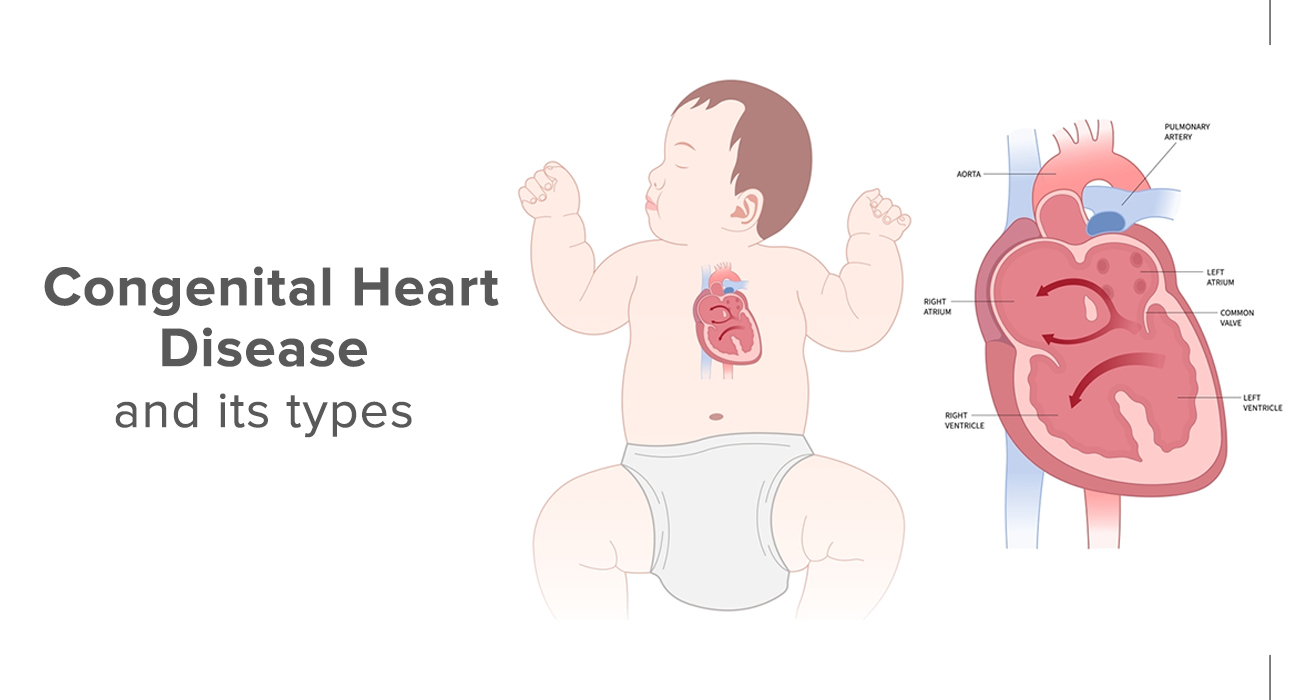
Congenital heart disease refers to structural abnormalities of the heart that are present from birth. These conditions affect how blood flows through the heart and surrounding blood vessels. While some congenital heart defects are detected during infancy, others may not become noticeable until childhood or adulthood.
Understanding the warning signs and identifying risk factors early can help patients receive appropriate medical care before complications develop. Healthcare providers at Liv Hospital emphasize early awareness and evaluation, especially when symptoms appear unexpectedly or worsen over time. You can also explore more information about CARDIOLOGY Symptoms and Risk Factors to better understand how these conditions are identified.
Understanding Congenital Heart Conditions
Congenital heart diseases involve abnormalities in the heart’s structure, such as defects in the heart walls, valves, or blood vessels. These structural differences can alter normal circulation patterns, forcing the heart to work harder to pump blood throughout the body.
Some congenital defects are mild and cause few symptoms, while others may lead to significant health challenges if not diagnosed and treated early.
Early Symptoms That May Indicate a Congenital Heart Issue
The symptoms of congenital heart disease may differ based on the specific type of defect and how severe the condition is. In some cases, symptoms appear immediately after birth, while in others they may develop gradually.
Common symptoms may include:
Shortness of breath during physical activity or rest
Fatigue or reduced tolerance for exercise
Rapid or irregular heartbeat
Chest discomfort or pressure
Frequent dizziness or fainting episodes
Swelling in the legs, ankles, or abdomen
These symptoms occur because the heart may struggle to circulate oxygen-rich blood efficiently throughout the body.
Symptoms in Infants and Children
Congenital heart defects often show early signs during infancy or childhood. Parents and caregivers should pay attention to signs such as:
Poor feeding or difficulty gaining weight
Rapid breathing or constant tiredness
Bluish skin color around the lips or fingertips (cyanosis)
Frequent respiratory infections
Children with congenital heart defects may also experience slower physical development compared to their peers.
Warning Signs in Adults
Some congenital heart defects remain unnoticed until adulthood. In these cases, symptoms may appear later due to changes in heart function or increased stress on the cardiovascular system.
Adults who have congenital heart disease that has not yet been diagnosed may experience:
Persistent fatigue during routine activities
Shortness of breath during exercise
Heart palpitations or irregular rhythms
Swelling in the lower limbs
Episodes of dizziness or fainting
If these symptoms occur regularly, medical evaluation is recommended to rule out underlying heart abnormalities.
Genetic and Family-Related Risk Factors
One of the strongest risk factors for congenital heart disease is genetics. Individuals with a family history of congenital heart defects may have a higher chance of developing similar conditions.
Some inherited conditions can also increase the risk of congenital heart abnormalities, including certain chromosomal or genetic syndromes.
Because of this, doctors often recommend heart evaluations for individuals with a strong family history of heart disease.
Maternal and Prenatal Risk Factors
Certain factors during pregnancy may increase the likelihood of congenital heart defects in newborns. These include:
Maternal infections during pregnancy
Exposure to certain medications or toxins
Poorly controlled diabetes during pregnancy
Alcohol or tobacco use while pregnant
Nutritional deficiencies during fetal development
Prenatal screening and regular medical check-ups during pregnancy can help detect potential heart abnormalities early.
Medical Conditions That Increase Risk
Some health conditions can make congenital heart disease more complicated or worsen symptoms over time. These include:
High blood pressure
Diabetes
Obesity
Chronic lung disease
Autoimmune disorders
Managing these conditions effectively helps reduce additional stress on the heart.
Why Early Diagnosis Matters
Early recognition of symptoms allows doctors to diagnose congenital heart defects before complications develop. With modern diagnostic tools such as echocardiography, cardiac imaging, and genetic screening, many congenital heart conditions can be identified and treated successfully.
Timely treatment can significantly improve quality of life and reduce the risk of long-term heart damage.
Supporting Heart Health Through Lifestyle Awareness
While congenital heart disease originates from structural conditions present at birth, maintaining healthy habits can still play an important role in managing symptoms and protecting long-term cardiovascular health. Balanced nutrition, regular physical activity, and stress management all support heart function. Individuals interested in broader wellness and lifestyle guidance can also explore helpful resources at live and feel, which focuses on maintaining overall well-being through sustainable lifestyle choices.
