

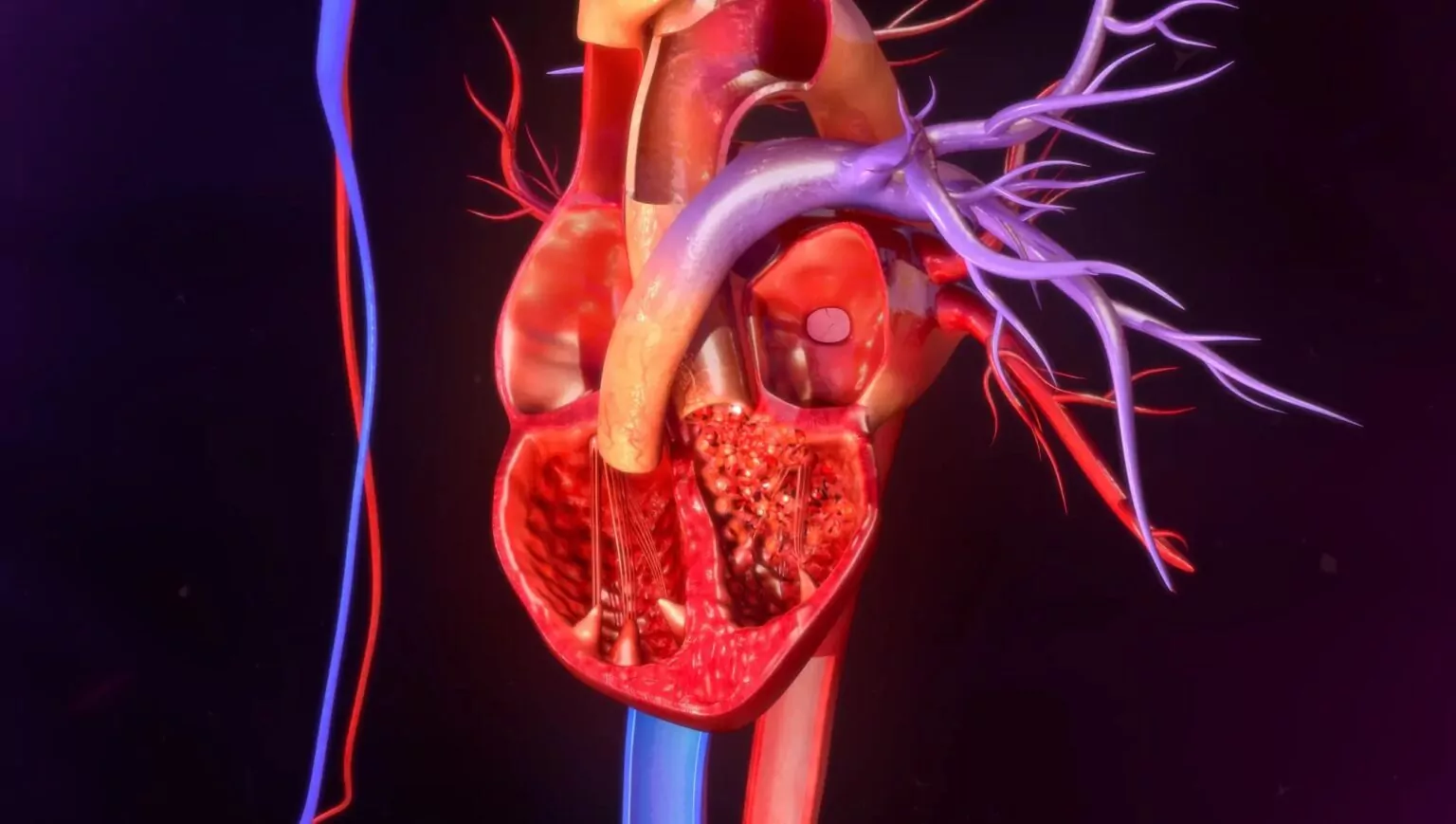
Chronic occlusion happens when an artery becomes severely narrowed or fully blocked over time—most often due to plaque buildup. Because the change is gradual, many people unknowingly adjust their life around it: walking slower, avoiding stairs, taking more breaks, and assuming it’s “age” or “fitness.”
The problem is that chronic occlusion isn’t just about discomfort—it can be a signal of reduced blood flow to the heart or limbs, which increases the risk of serious cardiovascular events if ignored. For reliable guidance and care pathways, you can visit Liv Hospital or the dedicated page for CARDIOLOGY Symptoms and Risk Factors. Why Chronic Occlusion Often Goes Unnoticed
Chronic occlusion rarely announces itself suddenly. Instead, the body tries to compensate by creating “detours” (collateral circulation). That compensation can mask symptoms at rest.
Many patients only notice something is wrong when they:
- walk faster than usual
- carry groceries
- climb stairs
- experience emotional stress
- spend time in cold weather (which tightens blood vessels)
Symptoms Checklist: What Your Body May Be Telling You1) Chest symptoms that feel like pressure—not pain
If chronic occlusion affects coronary arteries, symptoms may feel like:
- tightness or heaviness in the chest
- a squeezing sensation during effort
- discomfort that improves after rest
- pressure that spreads to the jaw, shoulder, neck, or arm
Important: Some people never feel classic chest pain—especially older adults and people with diabetes. For them, breathlessness and fatigue may be the main clues.2) Breathlessness that appears “earlier than it used to”
You may notice you’re out of breath:
- sooner during walks
- after climbing a small number of steps
- when doing light household tasks
This can happen when the heart is working harder to overcome restricted blood flow.3) Fatigue that sneaks into daily life
With reduced circulation, the body receives less oxygen during activity. Signs may include:
- low stamina
- needing more breaks
- feeling drained after simple tasks
- an unexplained decline in energy over weeks/months
If this change is gradual, it’s easy to accept it as normal—when it may not be.Leg & Foot Symptoms: A Classic Sign Many People Miss
When chronic occlusion affects the leg arteries (peripheral artery disease patterns), symptoms are often very specific.4) Predictable leg pain during walking (claudication)
This pain typically:
- starts after a consistent walking distance (e.g., “after 5–10 minutes”)
- feels like cramping/tightness (calf, thigh, or buttock)
- eases with rest
- returns again when you start walking
This pattern is one of the strongest clues of circulation restriction.5) Circulation changes you can observe
Look for differences between one leg/foot and the other:
- one foot feels colder
- slow-growing toenails
- reduced hair growth on the lower leg
- skin looks shiny, thin, or pale
- color shifts (pale when elevated; reddish/purplish when lowered)
These signs can point to chronic poor blood supply.“Silent” Symptoms: When Occlusion Hides in Plain Sight
Some people have silent ischemia, meaning there’s reduced blood flow but no obvious pain. This may happen if:
- collateral vessels are compensating
- activity level has decreased over time
- symptoms are vague (indigestion-like discomfort, mild nausea, general weakness)
A helpful self-check is noticing whether you’ve been gradually “downsizing” your activities without realizing it.Risk Factors That Raise the Odds of Chronic Occlusion
Chronic occlusion usually develops from long-term artery damage + plaque growth. Key risk factors include:Major medical risks
- high blood pressure
- high LDL (“bad” cholesterol)
- diabetes / insulin resistance
- kidney disease (linked with stiff/calcified arteries)
Lifestyle and exposure risks
- smoking or secondhand smoke exposure
- sedentary routine
- excess weight
- high-stress lifestyle + poor sleep patterns
- diet high in processed foods, trans fats, and added sugars
Family and inflammatory risks
- family history of early vascular disease
- chronic inflammation conditions (e.g., rheumatoid arthritis, lupus)
When to Contact a Doctor (and When Not to Wait)Seek urgent medical attention if you have:
- chest pressure with sweating, nausea, or breathlessness
- new chest discomfort at rest
- sudden weakness, speech trouble, or facial drooping (stroke signs)
- severe leg pain with a cold, pale foot (possible critical circulation issue)
Book a prompt evaluation if you notice:
- walking-triggered leg pain that consistently returns
- a steady drop in stamina over weeks
- exertion-related chest pressure that stops with rest
- repeated shortness of breath during routine activity
24/7 Support: Talk to LIV Hospital Anytime
If you’re noticing symptoms that match the patterns above—or you have risk factors and want a proper cardiovascular evaluation—LIV Hospital offers support through its 24/7 Live Call Center:
📞 +90 530 174 28 49
Getting advice early can prevent symptoms from becoming emergencies.A Gentle Lifestyle Reset That Supports Vascular Health
Beyond medical evaluation, small daily habits can support circulation—better meals, consistent movement, and stress control can all help reduce strain on the cardiovascular system. If you’d like wellness-focused ideas for building healthier routines alongside your care plan, explore practical lifestyle guidance at live and feel.
