

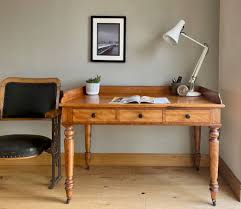
The antique writing desk with flip top is one of the most elegant and practical forms of historical furniture. Combining compact design with hidden storage, these desks were created for both functionality and aesthetic appeal—qualities that continue to attract collectors, interior designers, and antique enthusiasts today.
A flip-top desk typically features a hinged writing surface that opens to reveal compartments for documents, writing tools, and personal items. This clever mechanism reflects centuries of furniture innovation, where space efficiency and discretion were essential in both domestic and professional environments .
For collectors seeking deeper research, provenance insights, and curated antique furniture pieces, the website grandboudoir provides more detailed information about antique furniture and historical interiors.
What Is a Flip-Top Writing Desk?
A flip-top writing desk belongs to a broader family of desks that use hinged surfaces, such as drop-front desks, secretary desks, and spinet desks. The defining feature is a movable top panel that folds or flips open, transforming into a writing surface while revealing interior storage.
Key Characteristics
FeatureDescriptionHinged topFlips upward or downward to create workspaceHidden compartmentsDrawers, pigeonholes, and document slotsCompact designIdeal for small interiors or multifunctional roomsLockable storageSome models include locks for privacyDecorative craftsmanshipOften includes marquetry, carvings, or brass hardware
Some related desk types, like the spinet desk, also use hinged panels to conceal the working surface, offering a similar concept in a more compact form .
Historical Development
The flip-top desk evolved alongside other writing furniture forms from the 17th to 19th centuries, reflecting changing social and professional needs.
Early Origins (17th–18th Century)
- Derived from early bureau and secrétaire designs in France and England
- Influenced by slant-top desks, which used angled lids as writing surfaces
- Writing desks became essential as literacy and administration expanded in Europe
The slant-top desk, for example, appeared in France in the 17th century and spread across Europe, forming the basis for many hinged writing surfaces .
Victorian Era (19th Century)
The Victorian period (1837–1901) marked the golden age of flip-top desks:
- Crafted from mahogany, oak, or walnut
- Featured intricate carvings and decorative inlays
- Included multiple compartments for organization
- Reflected both wealth and the growing importance of paperwork
Furniture from this period balanced ornamentation with functionality, catering to an expanding middle class and professional workforce .
Early 20th Century Adaptations
- Simpler, more functional designs emerged
- Influenced by the Arts and Crafts movement, emphasizing craftsmanship over decoration
- Continued use in offices and homes before modern desks replaced them
Materials and Craftsmanship
Antique flip-top desks are highly valued for their materials and artisanal techniques.
Common Woods
Wood TypeCharacteristicsTypical EraMahoganyRich color, fine grain, durable18th–19th c.OakStrong, visible grain18th–20th c.WalnutSmooth finish, elegant tone18th–19th c.RosewoodExotic, luxurious appearanceHigh-end pieces
Craft Techniques- Marquetry and inlays: Decorative patterns using contrasting woods
- Hand-cut joinery: Dovetail joints indicating authenticity
- Brass hardware: Handles, locks, and hinges
- Hidden compartments: Often used for valuables or documents
- High-quality antique desks often show hand craftsmanship rather than machine uniformity, which is a key indicator of authenticity.
Functional Advantages
Flip-top desks were designed for practical living—something that still appeals to modern users.
Benefits- Space-saving: Ideal for smaller rooms or apartments
- Organization: Built-in storage eliminates clutter
- Aesthetic value: Serves as both furniture and art
- Privacy: Writing materials can be hidden when closed
- The ability to conceal documents and tools made these desks especially valuable in eras when privacy and organization were essential.
Identification Guide for Collectors
Identifying an authentic antique flip-top desk requires careful inspection.
Key Indicators
ElementWhat to Look ForHardwareOriginal brass hinges, hand-forged locksWood agingNatural patina, not artificial distressingConstructionDovetail joints, uneven hand cutsLabels/marksMaker’s marks or stampsWear patternsConsistent with age and usage
Examining hinges and construction details is especially important, as they often reveal the desk’s age and authenticity .
Market Value and Investment Potential
Antique flip-top desks vary widely in value depending on:- Age and provenance
- Condition and restoration quality
- Rarity and craftsmanship
- Materials used
- Typical Market Ranges
CategoryPrice Range (EUR/USD equivalent)Simple antique desk€200 – €800Victorian ornate desk€800 – €3,000Museum-quality piece€3,000 – €10,000+
Rare hybrid designs (e.g., flip-top combined with roll-top features) can command higher prices due to uniqueness and craftsmanship.
Restoration and Care
Proper restoration is crucial to maintaining value.
Best Practices- Use period-appropriate finishes (e.g., shellac or beeswax)
- Avoid over-restoration, which can reduce authenticity
- Clean hardware gently to preserve patina
- Store in stable humidity to prevent warping
- Improper restoration is one of the most common mistakes among collectors and can significantly reduce resale value.
Common Buyer Mistakes- Confusing reproductions with antiques
- Ignoring structural issues (warping, loose joints)
- Overlooking missing original hardware
- Buying based solely on appearance rather than provenance
- Failing to verify age through construction methods
Comparison with Similar Desk Types
Desk TypeMechanismKey DifferenceFlip-top deskHinged topCompact, vertical openingRoll-top deskSliding tambourCovers surface without clearing items Slant-top deskAngled lidMust clear surface before closingSecretary deskDrop-frontLarger, cabinet-style storage
- The vintage flip-top desk is a history piece and useful at the same time. It‘s one of the most collectible and multipurpose desk types out there for its size, secret drawers, and beautiful artistry. Whether you‘re a collector, interior designer, or simply love a unique piece, adding a flip-top desk is worth the investment. Consider all the ins and outs of your potential purchase to learn about its history and how it came to be. For further education, curated selections, and tips for the more advanced user, grandboudoir is a fantastic place to delve into antique furniture.
