

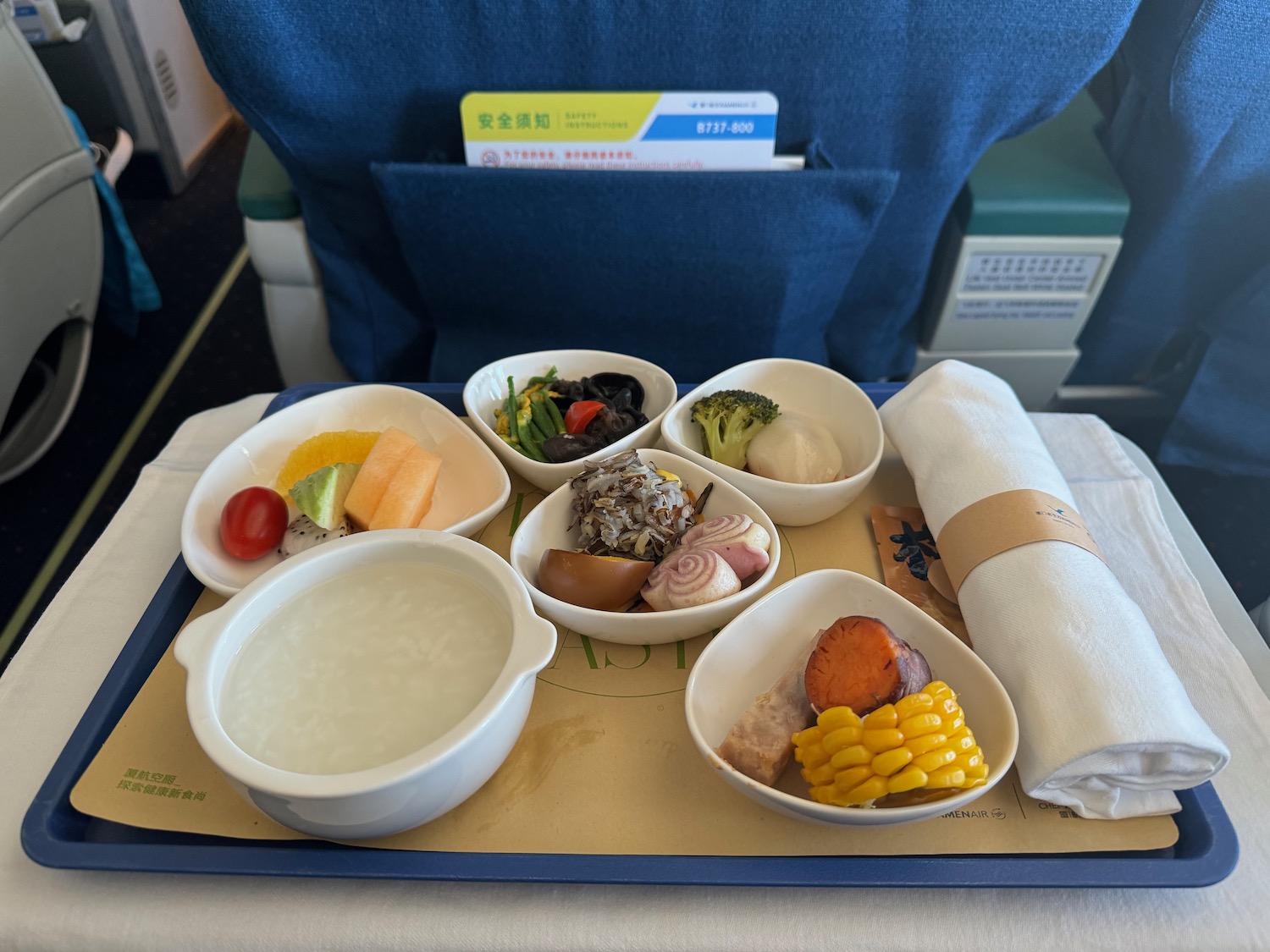
As Jerry Seinfeld famously quipped in his observational comedy style: “What’s the deal with airplane food?” (or variations like “What’s up with airplane food?”). It’s one of the most iconic stand-up setups ever — a perfect example of Seinfeld turning everyday annoyances into hilarious commentary. The line became so legendary that people still quote it decades later, even though Jerry himself never made a full routine out of it in his show or specials (it often gets misremembered as a classic bit). But the question endures because… well, airplane food really does have a “deal” — and it’s mostly not great.
So, let’s finally answer Jerry’s eternal question: Why does airplane food taste so bad (or at least so different)? Here’s the real science, psychology, and reality behind it in 2026.
1. Your Taste Buds Go on Vacation at 35,000 Feet
Cabin pressure is much lower than on the ground (equivalent to ~6,000–8,000 feet altitude), and the air is extremely dry (humidity often drops below 12%). This combo dulls your sense of taste and smell dramatically:
- Up to 30% of your taste sensitivity is reduced — especially for sweet and salty flavors.
- Smell accounts for 70–80% of how we perceive flavor. Dry nasal passages mean aromas don’t reach your brain properly.
- Result? Food tastes bland, muted, or “off” — even if the chef nailed it on the ground.
Airlines fight back by amping up salt, sugar, fat, and spices in meals. That’s why everything can feel overly seasoned once you’re back on terra firma.
2. Noise, Dryness, and Distractions Pile On
- Engine hum and cabin noise suppress sweet/salty perception even more (studies show loud environments make food seem less flavorful).
- Recirculated air and dehydration make your mouth feel weird, further numbing taste.
- Tiny trays, plastic packaging, and eating in a cramped seat don’t help the experience.
3. Not All Airplane Food Is Created Equal in 2025–2026
While the science explains the baseline “meh,” airline quality varies wildly:
Best in recent rankings/reviews (2025–2026 traveler reports):
- Singapore Airlines, Emirates, Etihad, Qatar Airways — often praised for fresh, flavorful meals (especially in premium cabins).
- Thai Airways fruit platters or Japanese/Chinese carriers’ authentic dishes sometimes surprise positively.
Worst offenders (frequent complaints):
- Many U.S. domestic carriers (short-haul) — pre-packaged snacks or basic trays that feel mass-produced.
- Budget airlines — minimal or no free food, and what’s offered is often underwhelming.
Some carriers (like Delta in premium classes) have improved with plant-based options or better sourcing, but economy class still lags.
4. The Bottom Line: It’s Not Just Bad Cooking
Airplane food isn’t inherently terrible — it’s engineered for a hostile environment. The same meal might taste decent in a restaurant but flat at cruising altitude. That’s the real “deal” Jerry was poking at: something ordinary becomes absurdly disappointing when you factor in physics and human biology.
Next time you’re served a rubbery chicken or mystery pasta at 35,000 feet, just remember: it’s not you, it’s the cabin. And yes — what’s the deal with airplane food? Science finally has the punchline.
Also read : Delta Flight DL275 Diverted to LAX: Full Incident Breakdown (May 2025)
